


Most restaurant owners in Toronto sign a lease before they ever speak to a design firm. By that point, the layout is already locked in. Structural columns can’t move. The kitchen footprint is fixed. The seating plan has to fit whatever space is left.
When design enters late, it stops being design. It becomes compromise.
The projects that open smoothly and perform from day one start earlier — before anything is poured, framed, or approved.
What Restaurant Interior Design Actually Does
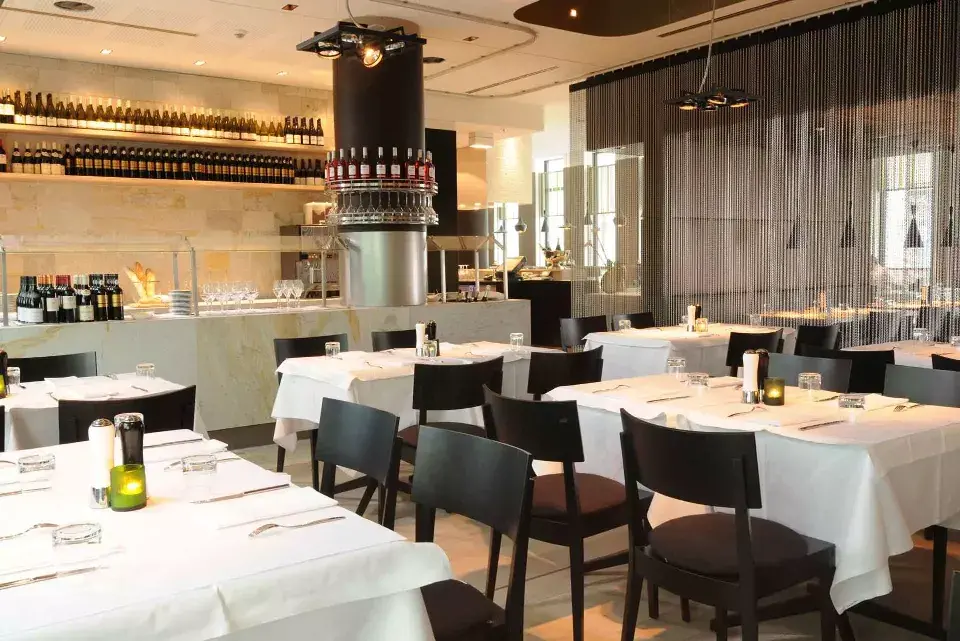
Restaurant interior design is not decoration. It is the planning system that connects concept, construction, and operations so a space can function under real service conditions.
At D’Lora Luxe Design Inc., every restaurant engagement is a full delivery process — not a styling exercise. It includes:
- Space planning and guest flow strategy
- Millwork design for bars, host stands, banquettes, and service zones
- Lighting layout aligned with ceiling and electrical planning
- Material and finish specification
- Custom furniture sourcing and procurement
- Construction drawings and permit documentation
- Trade coordination and construction oversight
The goal is not to make the restaurant look good. It is to make sure every square foot supports service, speed, and revenue.
New Build vs. Renovation
The starting point changes everything.
New Builds
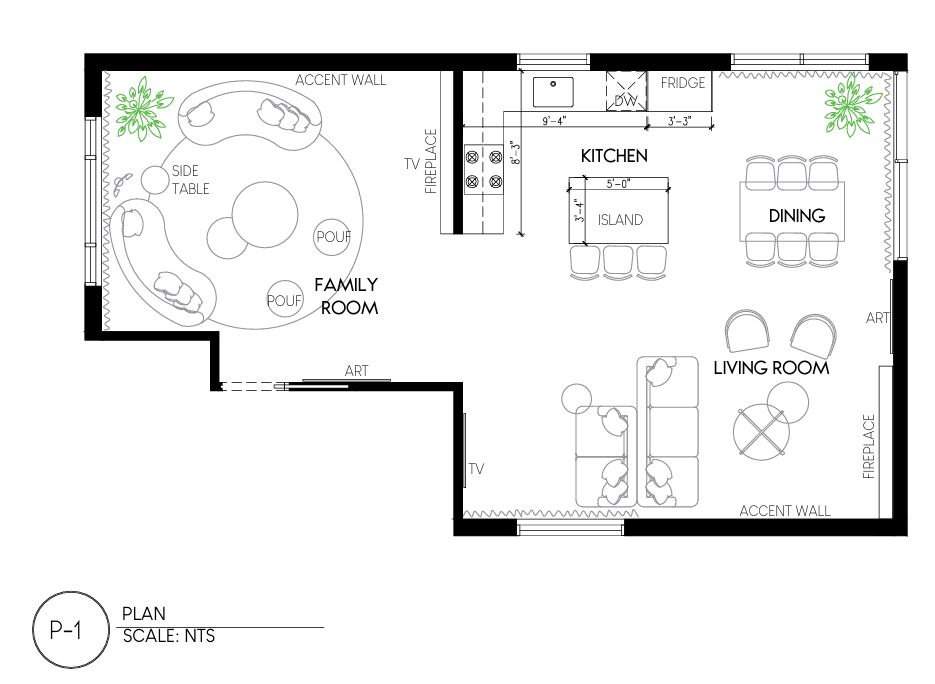
New construction gives the highest level of control. Early involvement allows design decisions to influence the building itself — including ceiling heights, mechanical and HVAC rough-ins, electrical layout and panel positioning, and structural openings and sightlines.
Changes at this stage are inexpensive. Waiting until construction starts is where costs multiply.
Renovations
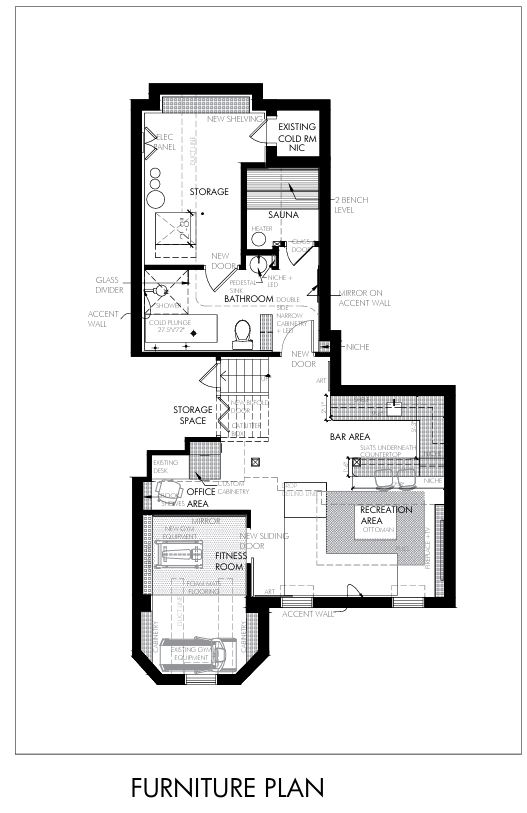
Renovations are constraint-driven. Existing conditions define what is possible, not what is ideal. The process begins with full site measurement and documentation, structural review, identification of elements that must remain, and verification of mechanical and electrical capacity.
Skipping this stage almost always leads to drawings that don’t match reality — and then to delays, redesigns, and change orders.
In both cases, the foundation is the same: understanding how staff move through the space and how guests experience it in real time. If that is not solved first, everything else becomes cosmetic.
The Design Process
Restaurant projects only work when design and construction are aligned from the beginning. The process is structured to remove guesswork at every stage.
Step 1 — Concept & Space Planning
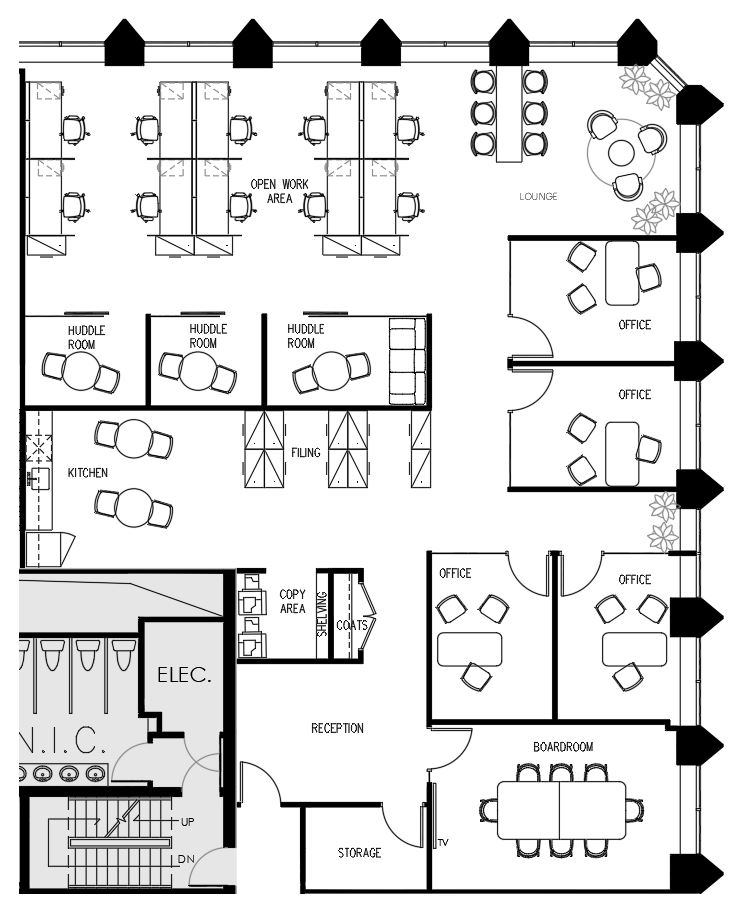
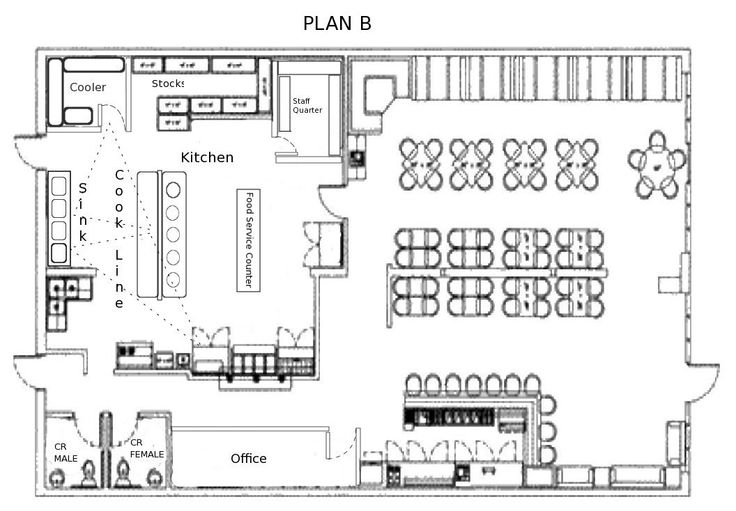
Before materials or finishes are discussed, the plan must confirm kitchen adjacency and service efficiency, server circulation routes, table density and spacing logic, and entry sequence and guest flow. This is where performance is designed. See how space planning works in practice and why it is the first decision made on every project.
Step 2 — Schematic Design
Once the layout works, the design direction is established — material palette, lighting concept and mood strategy, furniture style and configuration, bar and feature design intent, and the overall visual identity of the space. At this stage the restaurant starts to take shape visually, but remains flexible.
Step 3 — Developed Design & Millwork Drawings
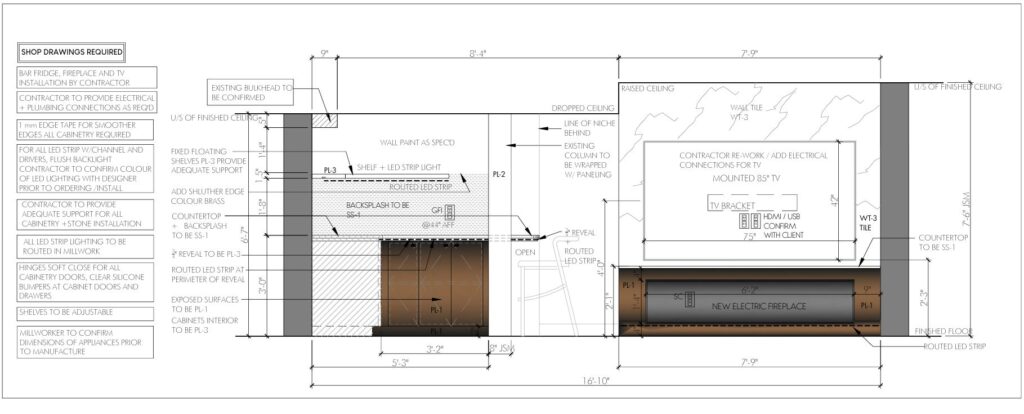
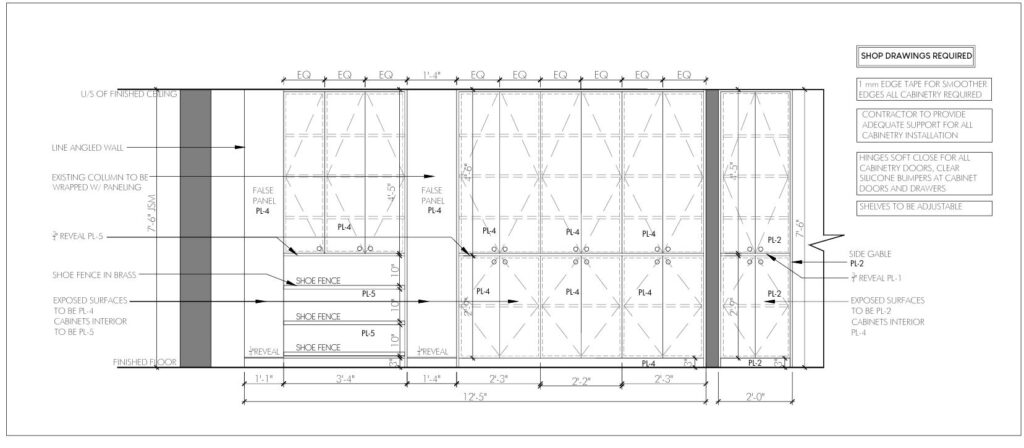
This is where design becomes buildable. Millwork and detailing are translated into construction-ready documentation: exact dimensions and tolerances, material selections and finishes, hardware and assembly specifications, and bar, banquette, and fixture detailing. These documents also support permit submissions and contractor pricing accuracy. Read more about how millwork drawings bridge design and fabrication.
Step 4 — Permits & Approvals
Toronto restaurant projects require coordination with both city approvals and landlords. This stage covers building permit documentation, code compliance alignment, landlord submission packages, and revisions based on review feedback. Incomplete or inconsistent drawings here are one of the most common causes of project delays.
Step 5 — Construction Coordination
Once construction starts, design intent has to be protected in the field. This includes site visits and progress reviews, contractor coordination, issue resolution in real time, and tracking alignment between drawings and execution. Without oversight, even well-designed restaurants drift off plan. Every delay at this stage has a direct cost — rent continues, revenue does not.
Why Layout Matters More Than Aesthetics
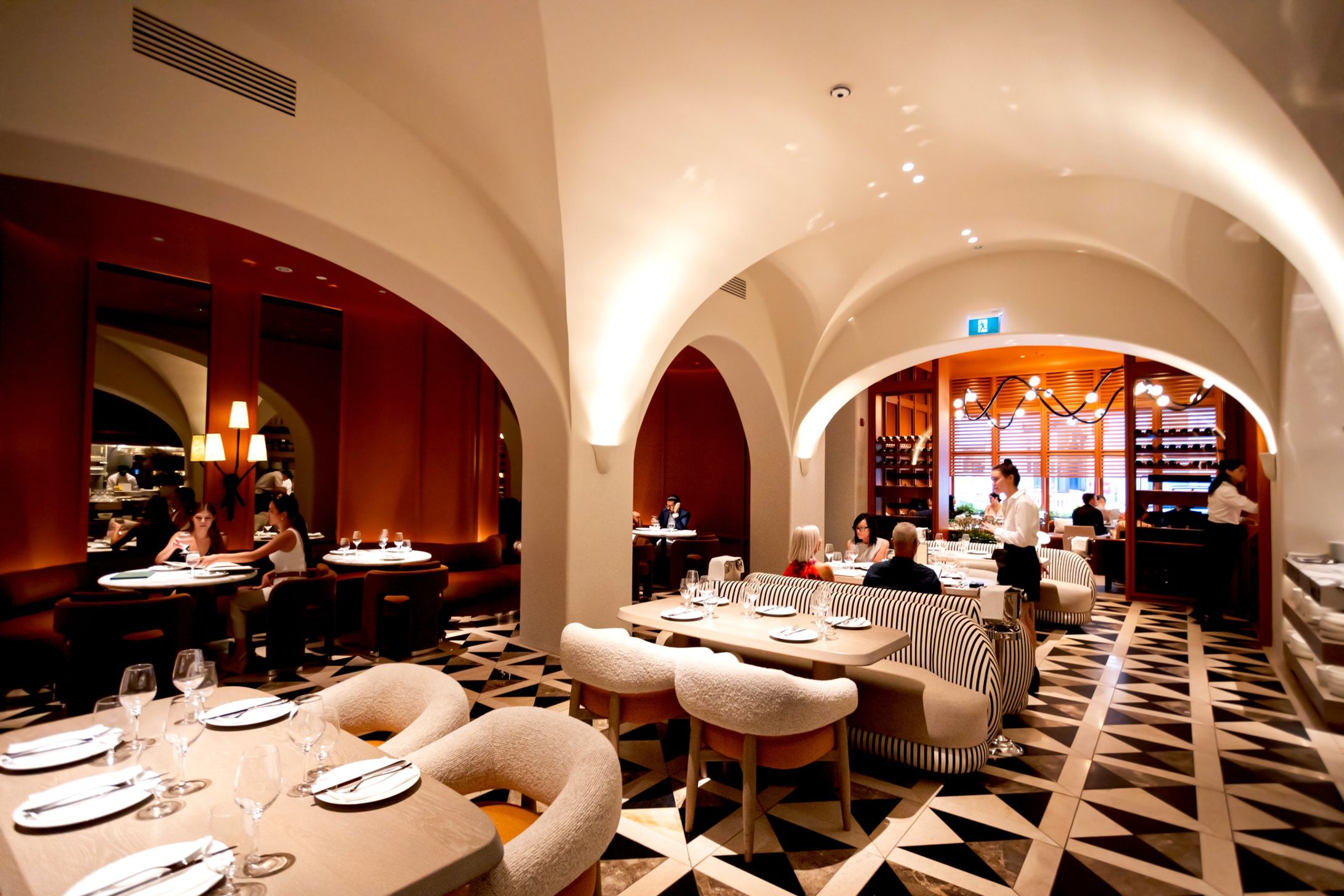
A restaurant can look impressive and still fail operationally.
Common issues — tables placed too tightly and blocking service flow, bar positioning that disrupts kitchen visibility, host stands that create entry bottlenecks, poor circulation that slows staff movement — are not styling problems. They are structural layout problems. Once construction begins, they are expensive or impossible to fix.
Successful restaurants are built on layouts that prioritize service speed, staff efficiency, clear sightlines, and predictable guest movement. Everything else comes after. A well-executed lighting layout plan is one example of how operational decisions and design decisions must be made together, not in sequence.
What Sets D’Lora Luxe Design Inc. Apart

- Over 20 years of interior design experience
- More than 100 completed projects across residential, commercial, and hospitality spaces
- Integrated workflow from concept to construction completion
- Coordination across design, permits, millwork, and site execution
- No template-based layouts — every project is built around the specific business model
View completed projects in the D’Lora Luxe portfolio or learn more about the full range of commercial and business interior design services offered across Toronto and the GTA.
The focus is not on producing a design package. It is on delivering a restaurant that opens correctly, operates efficiently, and performs financially from day one.