


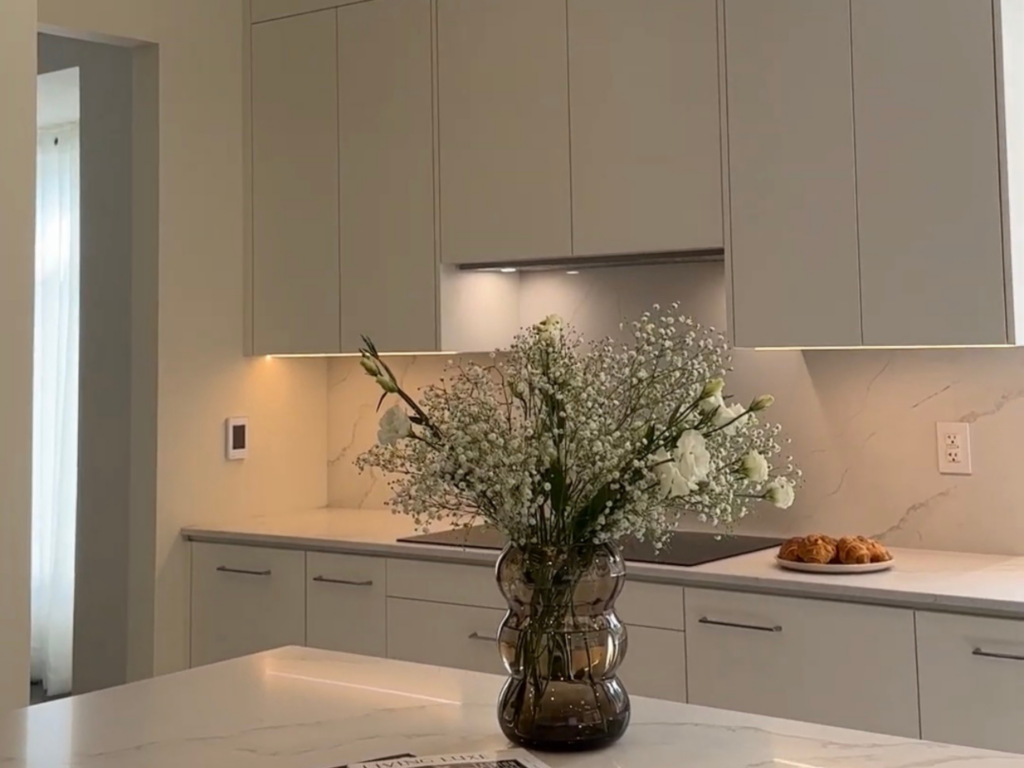
Lighting planning is a fundamental component of spatial design, including the kitchen, and should never be treated as a secondary phase. Poorly planned lighting doesn’t just affect aesthetics; it impacts safety, comfort, and how the kitchen functions every day.
We often see beautifully designed kitchens where cabinetry, materials, and layouts are carefully considered, yet lighting is addressed too late. Once installed incorrectly, fixing it can be costly, disruptive, and limited.
With extensive experience in custom residential kitchen design, we understand how early lighting decisions shape usability and long-term comfort. At D’Lora Luxe Design, we approach kitchen lighting as essential infrastructure. When planned correctly, the kitchen feels intuitive, calm, and safe something even the finest finishes cannot replace.
Why Kitchen Lighting Requires Early Planning
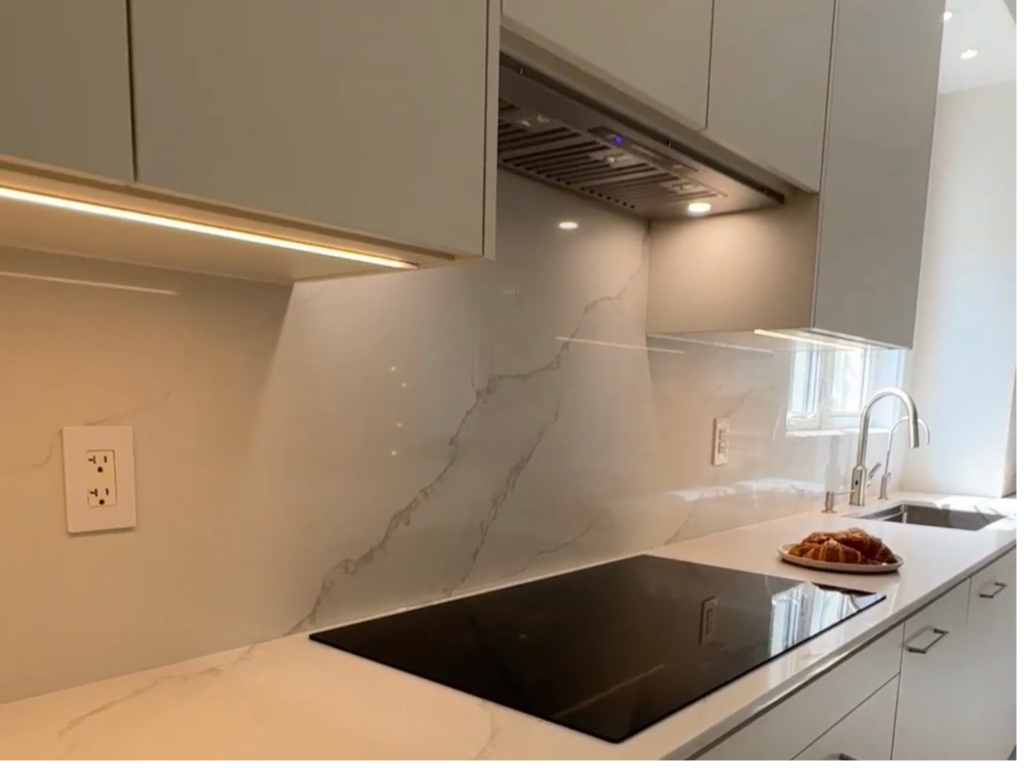
Kitchen lighting is not a decorative decision made at the end of a project. It is functional infrastructure that must be planned alongside layout and cabinetry. When lighting is considered early, the kitchen functions safely, efficiently, and comfortably. When it is not, even the most refined design cannot perform as intended.
Step One: Task Lighting Where Work Happens
The first priority in any kitchen lighting plan is task lighting. Countertops, prep areas, sinks, and cooking zones require direct, shadow-free illumination. Lighting must be placed based on how the kitchen is used—not on symmetry or ceiling layout alone.
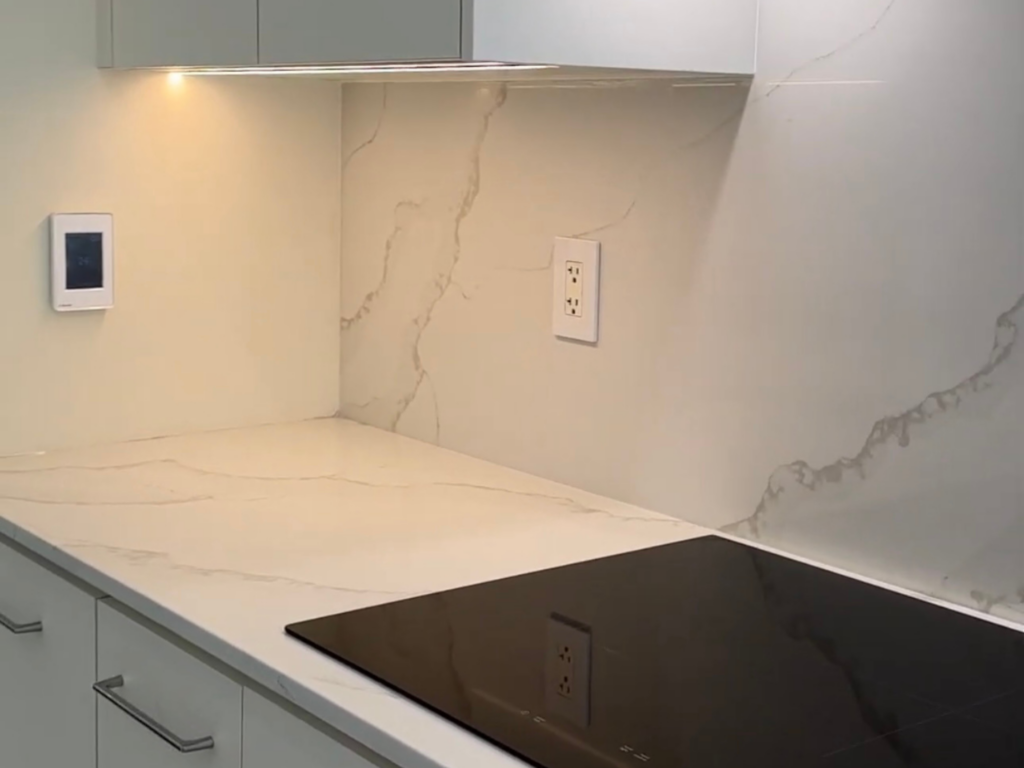
Under-Cabinet Lighting Is Essential
Under-cabinet lighting is the foundation of a well-designed kitchen. It provides consistent illumination across work surfaces, improves safety, and reduces eye strain. Without it, overhead lighting alone creates shadows exactly where light is needed most.
Step Two: Light Appliances and Storage
Appliances and storage areas are active work zones. Pantries, refrigerators, and tall cabinets require dedicated lighting to ensure visibility and ease of use. Proper illumination in these areas improves daily functionality and prevents overlooked dark zones.
Use Multiple Fixtures With Controlled Output
A well-balanced kitchen relies on multiple light sources with lower output rather than a few overly bright fixtures. This approach creates even illumination, reduces glare, and allows the space to feel calm and visually balanced.
Step Three: Creating Comfort and Visual Balance
Beyond function, lighting shapes how the kitchen feels. Human-scale lighting helps soften the space, eliminates harsh contrasts, and creates a welcoming atmosphere. Comfort is achieved through balance, not brightness.
Step Four: Lighting Control and Scenes
Lighting should adapt to different moments of the day. Simple, intuitive controls and pre-setlighting scenes allow thekitchen to transition seamlessly from task-focused use to evening orambient settings.
Common Kitchen Lighting Mistakes We Avoid
Some of the most common mistakes include relying solely on ceiling lights, ignoring task zones, using fixtures that are too bright, or treating lighting as an afterthought. These choices 1compromise safety, comfort, and long-term usability.